

Choose a small outdoor storage box or cabinet that keeps cushions, tools, and patio accessories dry without taking over the space. This guide is written for balcony, porch, and small patio owners who need weather-resistant storage for outdoor supplies. The goal is simple: make fit useful outdoor storage into a limited footprint and keep contents dry and accessible easier to judge before you bring another item into the room.
Small Outdoor Storage for Cushions and Tools: Quick answer
Measure the items that must fit, including the folded cushion depth and the longest tool. Choose a ventilated, weather-rated box with a raised floor and secure lid. Keep it out of the main walking path and away from direct rain where possible. Use labeled bins inside so small tools do not disappear. Never store damp cushions in a sealed box.
Measure the Contents First
Storage capacity is not only the outside volume. Folded cushions may be thicker than expected, and a long broom or patio tool may not fit diagonally. Measure the largest folded item, the total stack height, and the longest handle. Add a small allowance for airflow and for bags or bins. Check the interior dimensions, not only the exterior. A box that looks large from the outside can lose substantial depth to a curved lid or molded base.
Choose a Ventilated Weather-Resistant Box
Outdoor storage must handle rain, humidity, and temperature changes. Look for UV-resistant material, drainage or ventilation gaps, and a lid that sheds water. A raised floor keeps contents off a wet base. A bench box can provide seating and storage, but the lid and frame must be rated for the weight. A cabinet may look neater on a balcony, but check how the door opens and whether it blocks the path.
Organize Small Tools
Use a few sturdy bins inside the box for gloves, hand tools, ties, and cleaning supplies. Keep liquids separate and upright. Label bins on the top or side so they can be identified without removing everything. A tall box can hold a broom in one section and smaller bins at the bottom. Do not store food, pet treats, or seeds in an outdoor box unless it is designed to resist pests and moisture.

Protect Cushions From Mildew
Cushions should be completely dry before storage. If the box has no airflow, leave the lid open on a dry day or choose a model with vents. Remove cushion covers when the manufacturer allows and store them clean. A waterproof liner may help, but it can also trap condensation. Check the cushions monthly during humid weather and air them outside when possible.
Place It for Access and Drainage
Keep the storage box out of the main route and away from door swings. Confirm the lid can open fully and the box does not block a downspout, drain, or utility access. On a balcony, check building rules and weight limits. If the box sits on a rug, water can remain underneath. Use feet or a small gap to improve airflow and make cleaning easier.
Create a Seasonal Check
At the start of the outdoor season, empty and clean the box, inspect hinges and latches, and treat wood or metal as directed. At the end of the season, remove anything that should not freeze. Store cushions and tools only after they are dry. Label the contents and take a photo so you remember what was stored. A small outdoor storage system should make next season easier, not hide damaged items.
Compare the right category
Small Outdoor Storage for Cushions and Tools: What we would shortlist
These are product categories to compare, not claims about a specific model. Check dimensions, material care, return terms, and the latest retailer information before ordering.
Start here
outdoor storage bench
- Best for
- patio seating and cushion storage in one footprint
- Look for
- seating weight limit, raised interior floor, ventilation, and a lid that stays open
- Tradeoff
- a bench box may be heavy to move when full
Best for a tighter footprint
narrow balcony cabinet
- Best for
- small patios with limited depth
- Look for
- door swing, UV resistance, drainage, and adjustable shelves
- Tradeoff
- closed cabinets can trap moisture without vents
Worth comparing for value
stackable lidded tote
- Best for
- small tools and loose accessories
- Look for
- outdoor-rated material, tight but breathable lid, handles, and consistent size
- Tradeoff
- sealed totes can hold condensation if contents are damp
Small Outdoor Storage for Cushions and Tools: Questions to ask before you buy
Can cushions be stored in a sealed outdoor box?
They should be completely dry, and the box should allow some airflow if possible. A sealed box can trap moisture and cause mildew. Store cushions on a raised surface, check them monthly, and air them on a dry day. If the cushion is wet, bring it inside or leave it in a ventilated area until dry.
How do I keep tools from rusting outdoors?
Clean and dry tools before storage, use a raised floor, and keep them in a ventilated box. A light coat of appropriate protective oil may help metal tools, but follow the manufacturer's guidance. Avoid storing wet gloves or fabric against metal. Check the box after storms and remove standing water.
What is the best small outdoor storage for a balcony?
A narrow cabinet or bench that fits the balcony rules and does not block the door or drainage is usually best. Measure the depth and lid or door swing. Choose UV- and weather-resistant material with ventilation. For very small balconies, stackable totes in a protected corner may be more practical than a large box.
A final practical check
Small Outdoor Storage for Cushions and Tools: Before this purchase comes home
Recheck the exact dimensions in the room, the return window, and the cleaning method for the material you selected. Confirm that the new item supports fit useful outdoor storage into a limited footprint and keep contents dry and accessible for balcony, porch, and small patio owners who need weather-resistant storage for outdoor supplies, rather than solving only the photograph on the retailer page. Keep the packaging until the product has been used in its intended place, and save the order details in case a replacement part or measurement confirmation is needed later.
If two options still seem close, choose the one with the simpler care routine, clearer replacement parts, and a size that leaves a comfortable route through the room. A thoughtful purchase should make the everyday version of the room easier, not just the first day after delivery. Revisit this guide after living with the item for a week and adjust the layout, storage, or routine before buying another piece.
 Porch Bench Setup for Rainy Climates
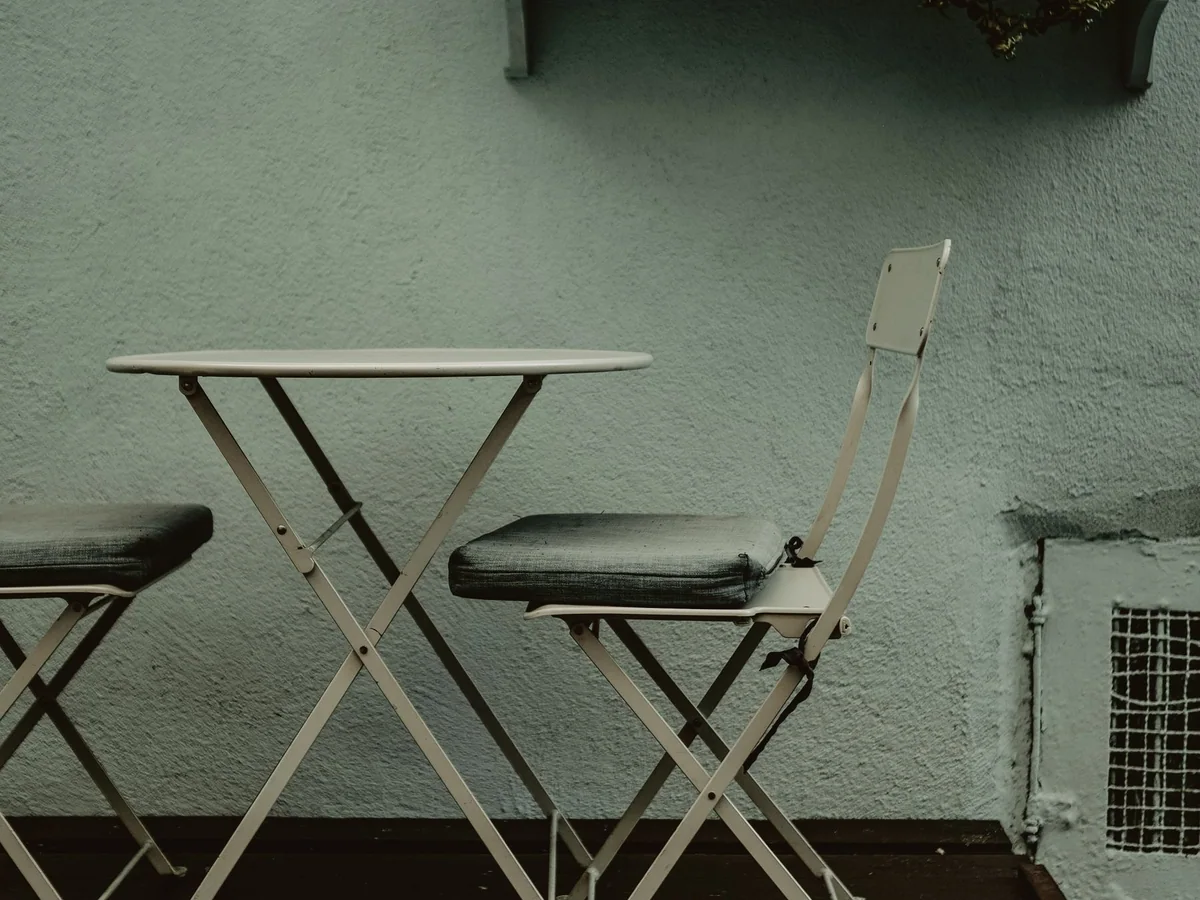 Balcony Cafe Sets for Morning Coffee
 Outdoor Rugs for Covered Patios