
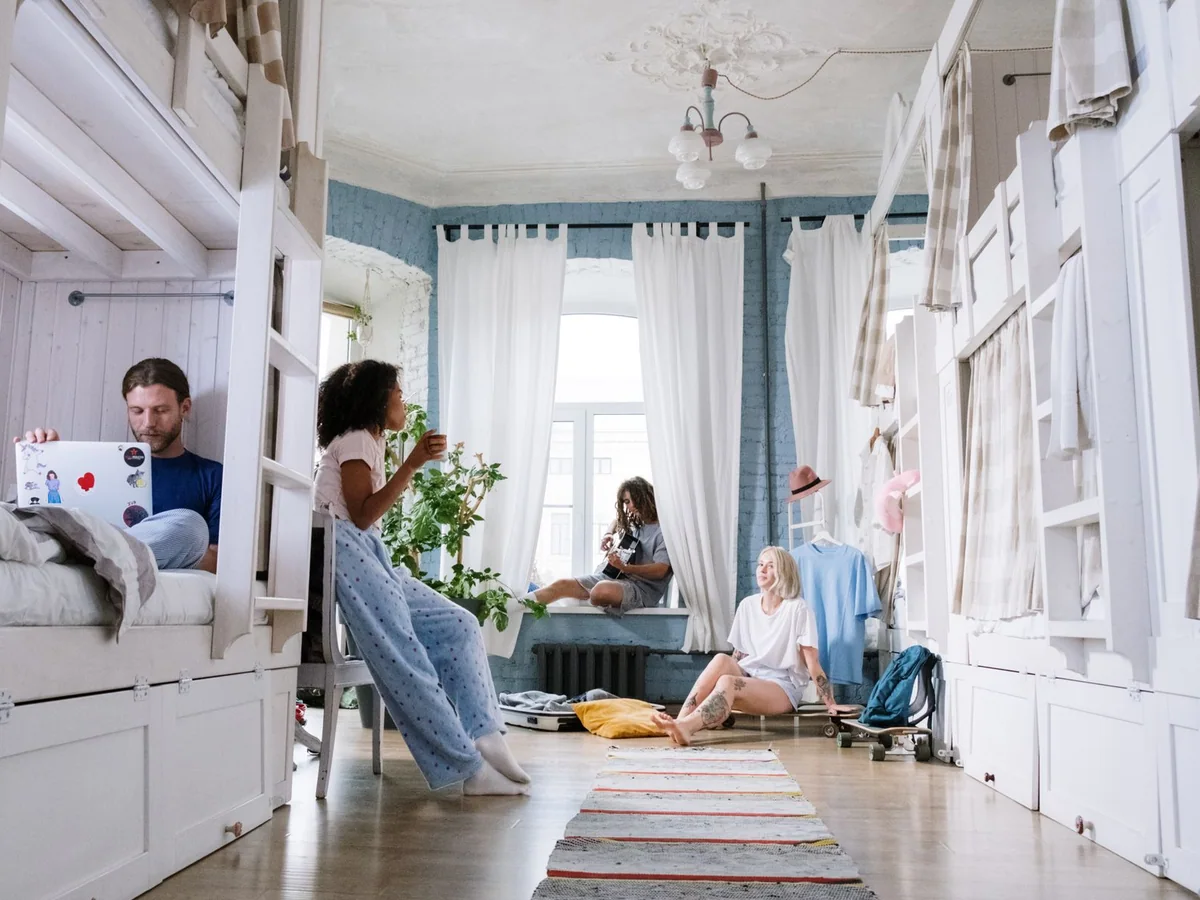
Plan a shared kids bedroom with separate storage, flexible sleep space, clear traffic paths, and age-appropriate systems. This guide is written for parents arranging a small bedroom for two children of similar or different ages. The goal is simple: make create separate ownership and usable space without overcrowding the room easier to judge before you bring another item into the room.
Kids Sharing a Small Bedroom Without Storage Wars: Quick answer
Give each child a defined storage zone before choosing beds. Use labeled bins, individual hooks, and a shared shelf with identical containers. Bunk beds save floor space but require age, ceiling, and safety checks. Twin beds can work when the room has two clear walls. Keep the route to the door and window open, and anchor all tall furniture to the wall.
Give Each Child a Territory
Sharing a room is easier when ownership is visible. Assign one drawer, bin, hook, or shelf section to each child. Use labels or colors that the children can recognize, and keep the system consistent. A shared toy category can live in clear bins, while personal treasures stay in a smaller closed container. Do not rely on a single large toy chest; it becomes a pile and creates conflict. Start with the items used daily and move the rest to a closet or storage area outside the bedroom.
Choose Beds With Clearance in Mind
Bunk beds can free a large portion of the floor, but the top bunk needs safe access, guardrails, and enough ceiling height for all users. Follow the manufacturer's age and weight requirements. Twin beds may be easier to change and clean but require more wall length. A trundle bed can serve sleepovers but adds another item to open and store. Measure the bed plus the space to get in and out. Leave clear access to the window and door.
Create Identical but Separate Systems
When children share a room, identical containers reduce arguments and make cleanup predictable. Use the same bin size and label shape for each child, but choose a different color or symbol. Place hooks at the child's reachable height, even if that means one hook is lower than the other. A shared shelf can hold board games or books, while personal items stay inside each child's bin. Review the system as the children grow and their reach or wardrobe changes.
Protect the Walking Path
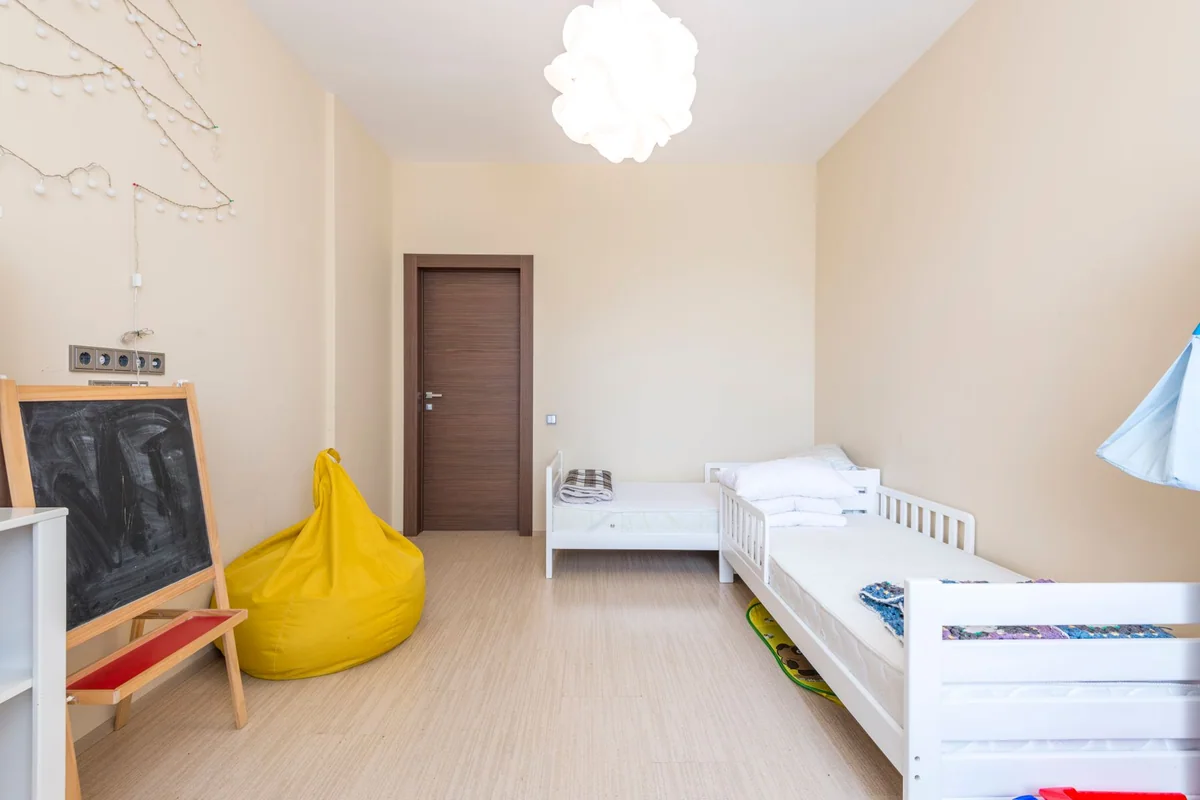
The room should have a clear path from the door to the window, closet, and each bed. Avoid placing furniture in front of the door or under a window that opens. If the room is very small, use vertical storage instead of another horizontal surface. Keep bags and sports gear near the entry or in a designated bin. A small stool or step should have a permanent spot so it does not become a trip hazard at night.
Make Nighttime Safer
Use a low night light between the beds and the door with a warm glow. Keep the path free of toys, cords, and furniture legs. Bunk beds should have a secure ladder and proper guardrails, and the mattress should fit the frame exactly as specified. Do not place a bed against a heater or window covering. If the children are different ages, set rules about the top bunk and store supplies where the younger child can reach safely.
Build a Five-Minute Reset
A shared room will not stay perfect, but it can reset quickly. Put laundry in each child's basket, return books to the shared shelf, and place toys inside labeled bins. Keep the floor clear around the beds and door. Work with the children on a simple routine rather than reorganizing the room alone. Once a month, remove broken items and clothes that no longer fit. The system should change as the children grow.
Compare the right category
Kids Sharing a Small Bedroom Without Storage Wars: What we would shortlist
These are product categories to compare, not claims about a specific model. Check dimensions, material care, return terms, and the latest retailer information before ordering.
Start here
twin bed with under-bed drawers
- Best for
- rooms with two usable walls
- Look for
- drawer height, mattress support, anchoring, and clearance for the closet
- Tradeoff
- drawers can block a path when open
Best for a tighter footprint
solid wood bunk bed
- Best for
- very small rooms with adequate ceiling height
- Look for
- guardrails, ladder, weight rating, mattress size, and age guidance
- Tradeoff
- changing the top bunk can be difficult
Worth comparing for value
stackable labeled storage bins
- Best for
- shared toys and clothing
- Look for
- one size, easy-clean material, handles, and labels visible to children
- Tradeoff
- clear bins can look busy unless contents are edited
Kids Sharing a Small Bedroom Without Storage Wars: Questions to ask before you buy
At what age can children use a bunk bed?
Follow the manufacturer's age, height, and weight requirements and local safety guidance. Young children should not use the top bunk. Check guardrails, ladder attachment, and mattress fit before every use. If the children are not ready for a bunk, choose twin beds or a trundle instead of compromising safety.
How do I stop one child from taking over the storage?
Give each child a clearly labeled personal zone and assign shared items a separate location. Use identical bins so one does not look more desirable. Keep personal treasures in a closed container. When conflicts recur, reduce the amount stored in the bedroom and move seasonal items elsewhere.
Should toy storage be open or closed?
Open bins work for frequently used toys because children can see and reach them. Closed storage is better for small pieces, crafts, or items that look messy. A mix of low open bins and one higher closed cabinet often works. Label everything and place the most-used bins within the children's reach.
A final practical check
Kids Sharing a Small Bedroom Without Storage Wars: Before this purchase comes home
Recheck the exact dimensions in the room, the return window, and the cleaning method for the material you selected. Confirm that the new item supports create separate ownership and usable space without overcrowding the room for parents arranging a small bedroom for two children of similar or different ages, rather than solving only the photograph on the retailer page. Keep the packaging until the product has been used in its intended place, and save the order details in case a replacement part or measurement confirmation is needed later.
If two options still seem close, choose the one with the simpler care routine, clearer replacement parts, and a size that leaves a comfortable route through the room. A thoughtful purchase should make the everyday version of the room easier, not just the first day after delivery. Revisit this guide after living with the item for a week and adjust the layout, storage, or routine before buying another piece.
 Furniture That Makes a Studio Feel Like Two Rooms
 Foldaway Dining Sets for One-Bedroom Apartments
 Storage Ottomans for Blankets, Games, and Extra Seating