
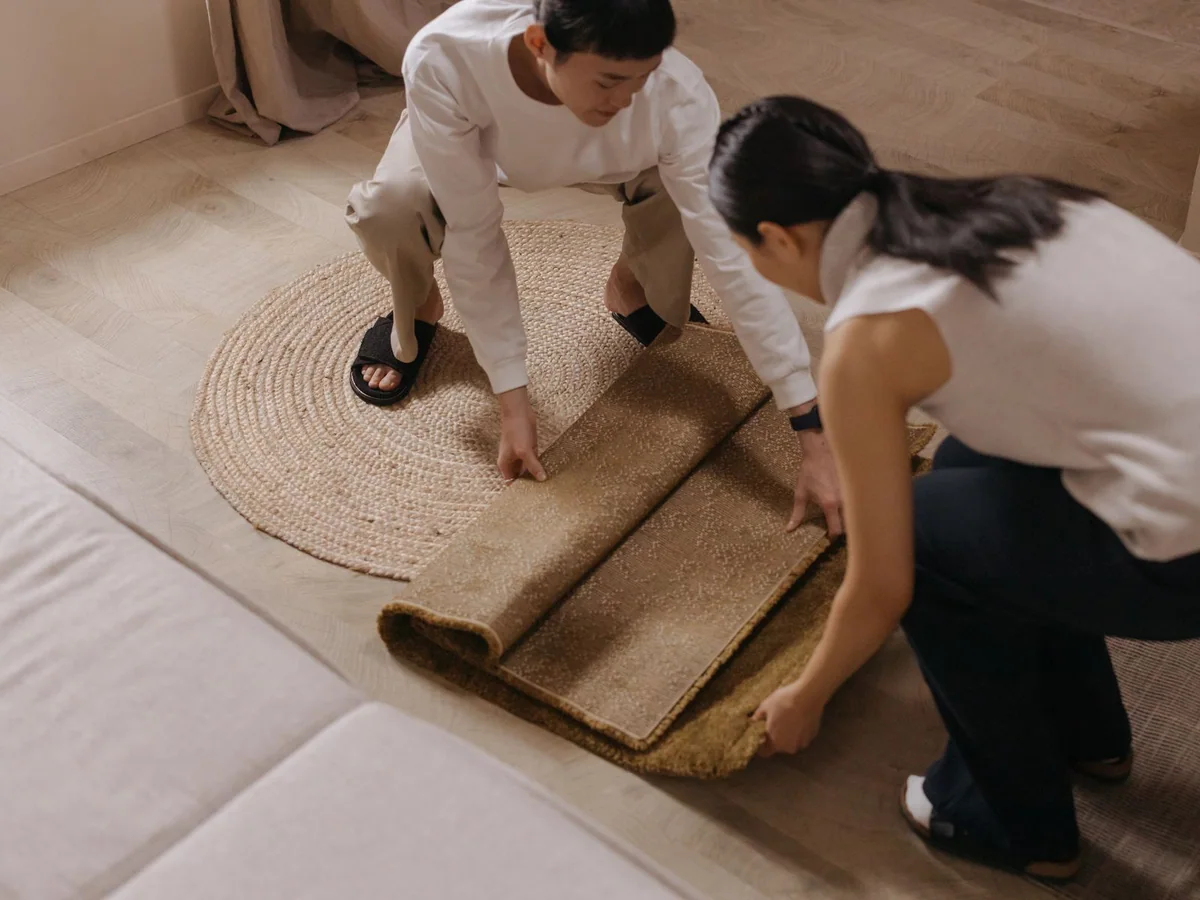
Select a practical area rug for shedding, accidents, scratching, muddy paws, and cleaning without giving up a comfortable living room. This guide is written for pet owners furnishing a living room, bedroom, or hallway with practical floor coverings. The goal is simple: make balance stain and scratch resistance with comfort, appearance, and a realistic cleaning routine easier to judge before you bring another item into the room.
How to Choose a Pet-Resistant Area Rug for Busy Homes: Quick answer
Prioritize a low- or flat-pile rug with a dense weave, a color that tolerates variation, and a backing that will not trap moisture. Wool can be durable but needs careful cleaning; solution-dyed synthetic fibers often resist fading and stains. Avoid long shag, loose loops, and pale solids in the main traffic path. Add a washable runner or mat at the door where the mess usually begins.
Read the Pile Before the Marketing Label
Pet-friendly is not a universal material grade, so begin with construction. Flat-weave, low-pile, and tightly tufted rugs generally release hair and dirt more easily than long shag or loose Berber loops. A loop that catches a claw can pull into a long run; a cut pile can crush but is usually easier to spot-clean. Turn the rug over when possible and inspect the backing. A backing that traps moisture can hold odors after an accident, while a woven rug may need a separate pad for stability. Look for fiber content and care instructions, not only a pet icon. If the manufacturer recommends professional cleaning for every spill, decide whether that matches your household before ordering.
Match Fiber to the Kind of Mess
Wool is naturally resilient and hides soil well, but it can be sensitive to alkaline cleaners and prolonged moisture. Solution-dyed synthetic fibers are often chosen for fade and stain resistance because color is added before the fiber is formed. Polyester can feel soft but may crush in a heavy path; polypropylene is often inexpensive and moisture resistant but can feel less luxurious. Blends can combine useful properties. The most important step is following the exact cleaning instruction for the finished rug, because the same fiber can be treated differently. Keep a written note of the care code and test any cleaner in a hidden corner before using it on an accident.
Use Color and Pattern Strategically
A solid cream rug can make a room feel bright, but it also records every muddy footprint. A medium-value pattern gives the eye more places to rest and hides the variation that comes with daily life. Directional patterns can show vacuum marks, while a low-contrast motif may be calmer in a small room. Place the busiest pattern where pets enter, jump, or turn. If the room already has patterned upholstery, choose a quieter rug scale and repeat one color from the furniture. Do not assume dark colors hide everything; dark rugs can show light pet hair and dust just as readily as pale rugs show dark hair.

Plan the Pad and the Edges
A rug pad improves stability, reduces slipping, and can add cushioning without changing the rug pile. For a pet household, choose a pad that is appropriate for the floor finish and can be spot-cleaned. A pad with a solid moisture barrier may protect a wood floor, but it can also reduce airflow, so follow the manufacturer's guidance and dry accidents promptly. Check that the rug edges lie flat. Curled corners become chew targets and trip hazards. If the room includes a senior pet or a pet recovering from surgery, a lower pile and a firm pad may be easier to walk on than a thick, soft rug. Stability matters as much as softness.
Separate the Entry Zone From the Main Rug
Most pet mess enters through a small number of routes: the back door, garage door, balcony, or the path from a crate. Use a washable mat or runner there instead of asking the main rug to absorb everything. Shake or vacuum the entry mat frequently and launder it according to its care label. Keep a towel and an enzyme cleaner near the door so accidents are handled before they soak into the backing. In a rental, a waterproof floor mat under a crate can protect the flooring while the decorative rug begins farther into the room. This layered approach is easier to clean and usually less expensive to replace than the full rug.
Test Vacuuming, Returns, and Odor Control
Before buying, check whether the vacuum you own can clean the pile without pulling at the fibers. A dense flat weave may need suction rather than a strong beater bar, while a thick pile may require more passes. Confirm the return window and whether a returned rug must be unrolled or repackaged in a specific way. Ask how the retailer handles moisture damage, pet accidents, and shipping creases. At home, address accidents with the cleaner recommended for the fiber and dry the area fully. For persistent odor, the pad and subfloor may need attention even when the rug surface smells clean. A rug that cannot be maintained will not remain pet-friendly for long.
Compare the right category
How to Choose a Pet-Resistant Area Rug for Busy Homes: What we would shortlist
These are product categories to compare, not claims about a specific model. Check dimensions, material care, return terms, and the latest retailer information before ordering.
Start here
machine-washable flat-weave rug
- Best for
- small living areas and homes with frequent accidents
- Look for
- a full listed dimensions, non-slip backing, realistic washer capacity, and a low pile that fits under doors
- Tradeoff
- washing may fade the pattern or stress the edges over time
Best for a tighter footprint
patterned wool blend rug
- Best for
- rooms where appearance and resilience both matter
- Look for
- fiber percentages, cleaning instructions, a tight weave, and colorfastness guidance
- Tradeoff
- wool requires careful products and may felt with harsh treatment
Worth comparing for value
indoor outdoor polypropylene rug
- Best for
- mudrooms, covered patios, and very busy entries
- Look for
- UV resistance, hose-clean instructions, edge finishing, and whether it can be used over a pad
- Tradeoff
- the texture may feel less soft underfoot
How to Choose a Pet-Resistant Area Rug for Busy Homes: Questions to ask before you buy
Are washable rugs truly pet-proof?
No rug is completely pet-proof. Washable usually means the manufacturer permits a specific laundering method for certain sizes and stains. Accidents still need prompt blotting, and a large rug may not fit a home washer. Check the maximum machine size, drying method, and whether the backing can tolerate repeated washing. A washable runner at the door often provides more protection than relying on the main rug.
Does a rug pad help with pet odors?
A pad can help by keeping the rug from slipping and by allowing some airflow, but it can also hold moisture if an accident reaches underneath. Choose a pet-appropriate pad, lift and dry both layers after a major spill, and replace a pad that retains odor. If the subfloor stays damp, the smell can return even after the rug is cleaned.
Should I choose dark or light for a shedding pet?
Match the rug value to the hair that is most visible and the lighting in the room. Dark hair stands out on cream rugs, while white hair can stand out on charcoal. Medium, mixed patterns often hide both better than solids. Regular vacuuming and a washable entry mat will make a larger difference than color alone.
A final practical check
How to Choose a Pet-Resistant Area Rug for Busy Homes: Before this purchase comes home
Recheck the exact dimensions in the room, the return window, and the cleaning method for the material you selected. Confirm that the new item supports balance stain and scratch resistance with comfort, appearance, and a realistic cleaning routine for pet owners furnishing a living room, bedroom, or hallway with practical floor coverings, rather than solving only the photograph on the retailer page. Keep the packaging until the product has been used in its intended place, and save the order details in case a replacement part or measurement confirmation is needed later.
If two options still seem close, choose the one with the simpler care routine, clearer replacement parts, and a size that leaves a comfortable route through the room. A thoughtful purchase should make the everyday version of the room easier, not just the first day after delivery. Revisit this guide after living with the item for a week and adjust the layout, storage, or routine before buying another piece.
 Layer Warmth in a Rented Living Room Without Losing Daylight
 Sectional or Two Loveseats for Family Movie Nights?
 What to Look for in a Down-Blend Sofa for Everyday Lounging