
Plan an entry drop zone for balls, helmets, bags, cleats, and water bottles without blocking the door or trapping odors. This guide is written for active families managing sports equipment at a house, apartment, or garage entry. The goal is simple: make contain sports gear so it can dry, be found, and leave the house again without blocking entry easier to judge before you bring another item into the room.
Entryway Drop Zones for Sports Gear: Quick answer
Separate wet gear, small sports equipment, and daily bags into different zones. Use a ventilated bin for balls, a durable hook or rack for helmets and bags, and a tray for shoes. Keep the path to the door clear and place anything heavy at waist height or below. Ventilation, easy cleaning, and a labeled return spot matter more than decorative storage.
Divide Gear by Condition
Wet cleats, damp uniforms, dry balls, and clean water bottles should not share one closed box. Create a ventilated drying zone for anything wet, a separate bin for balls, and a hook or shelf for dry bags and helmets. If the entry is small, a rolling rack can move to a garage or closet after drying. The categories should tell the family what action to take when they return. A single pile makes every item harder to find and holds moisture against equipment.
Use the Right Shape of Storage
Balls roll, helmets are bulky, and bags need a wide support. An open deep bin works for balls, but it should be easy to reach into and clean. A hook may hold a light bag, while a wide utility hook or shelf may be safer for a heavy backpack. A boot tray keeps muddy shoes contained. Do not hang a heavy bag from a decorative hook rated for a coat. Check the weight rating and install into solid material where required.
Give Wet Gear Air
Choose a rack or open bin that allows air around shoes and pads. If a garment must be washed, put it directly into a removable laundry bag. Keep wet gear away from wall paint and finished floors. A small fan can help in a closed mudroom, but it should not create a trip hazard. Clean the drying area weekly and replace worn liners. Odor usually points to moisture and poor airflow, not just dirty equipment.

Keep the Door Zone Clear
Measure the door swing and the path people take when carrying bags. A rack that is convenient but blocks the knob or the main walkway will be moved constantly. Use vertical storage on the wall next to the door, or place a rolling cart in a garage or closet. If the entry is shared, check that the storage does not narrow an exit route. The best system lets someone enter with a full bag and put it down safely.
Label the Return Spot
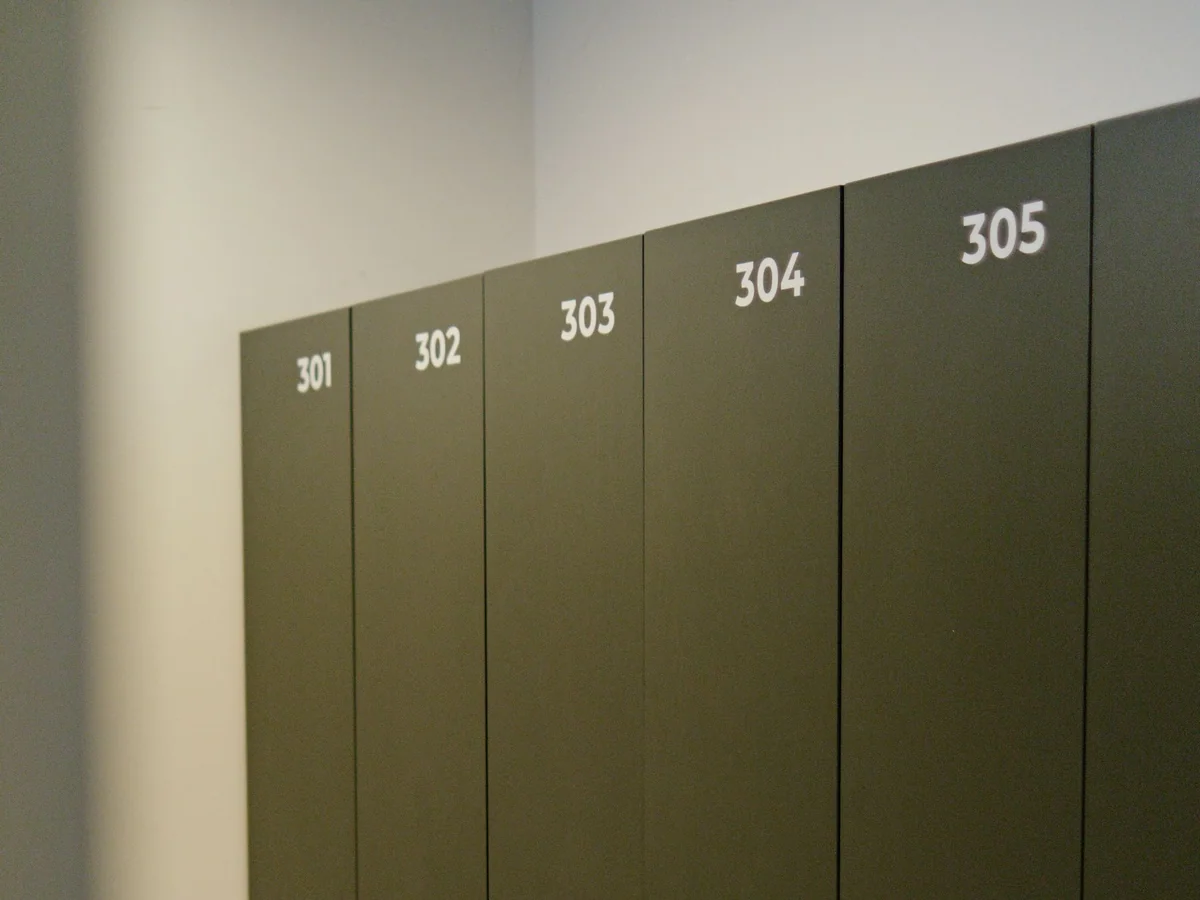
Each person should know where their bag, helmet, and shoes go. Use labels, colors, or separate baskets, but keep the system simple enough for a rushed morning. A tall locker may look tidy but trap odor if it closes too tightly. Open cubbies and removable bins are easier to inspect. Keep a spare hook or bin for visitors or new activities. When gear changes season, empty the unused bins and move them to storage.
Create a Pre-Practice Routine
The entry system should work before and after practice. Before leaving, check the bag, bottle, and uniform in one pass. After returning, empty wet items, place shoes on the tray, and move the bag to its hook. Keep a small cleaning caddy nearby for wiping mud or spills. Review the setup when the season changes. A practical drop zone is one that prevents gear from moving through the rest of the house.
Compare the right category
Entryway Drop Zones for Sports Gear: What we would shortlist
These are product categories to compare, not claims about a specific model. Check dimensions, material care, return terms, and the latest retailer information before ordering.
Start here
ventilated shoe rack
- Best for
- cleats and wet athletic shoes
- Look for
- open airflow, a tray underneath, sturdy shelves, and easy cleaning
- Tradeoff
- open racks show mess unless the zone is edited
Best for a tighter footprint
rolling ball bin
- Best for
- garages and entries with changing space
- Look for
- locking casters, a wide opening, and a bin that can be emptied and wiped
- Tradeoff
- wheels may mark soft floors or struggle on stairs
Worth comparing for value
heavy-duty wall hook
- Best for
- helmets and gym bags
- Look for
- weight rating, mounting hardware, rounded edges, and spacing for several bags
- Tradeoff
- installation must match the wall structure
Entryway Drop Zones for Sports Gear: Questions to ask before you buy
Where should wet sports gear dry?
Choose a ventilated area that is not used for sleeping or food storage and is away from carpets and finished walls when possible. A garage, covered porch, or utility area can work when temperature and security permit. Keep items separate so air can circulate. Wash removable liners and clean the floor beneath the rack regularly.
How do I store balls without them rolling everywhere?
Use a deep open bin, a mesh bag, or a divided cubby with a front lip. Keep the bin at floor or low-shelf height so it is easy to load. Do not stack heavy balls above shoulder height. Separate larger and smaller balls so the bin stays stable and the contents can be found quickly.
Should sports bags be hung on hooks?
Light gym bags and backpacks can hang when the hook is rated for the weight and installed securely. Heavy duffel bags with equipment may be safer on a shelf or bench. Check that the bag does not block the door or create a trip hazard. If the bag is wet, hang it in the ventilated drying zone rather than a closed closet.
A final practical check
Entryway Drop Zones for Sports Gear: Before this purchase comes home
Recheck the exact dimensions in the room, the return window, and the cleaning method for the material you selected. Confirm that the new item supports contain sports gear so it can dry, be found, and leave the house again without blocking entry for active families managing sports equipment at a house, apartment, or garage entry, rather than solving only the photograph on the retailer page. Keep the packaging until the product has been used in its intended place, and save the order details in case a replacement part or measurement confirmation is needed later.
If two options still seem close, choose the one with the simpler care routine, clearer replacement parts, and a size that leaves a comfortable route through the room. A thoughtful purchase should make the everyday version of the room easier, not just the first day after delivery. Revisit this guide after living with the item for a week and adjust the layout, storage, or routine before buying another piece.
 Dresser Organization for Shared Bedrooms
 Linen Closet Systems That Fit Real Shelves
 Baskets for Open Shelving Without Visual Clutter